Full specifications for every BAW model. Compare prices, engine specs, fuel consumption and features.
The quickest way to understand BAW is to start with what it is trying to be in the market. BAW belongs to the commercial side of the market, where usefulness speaks louder than brand mythology.
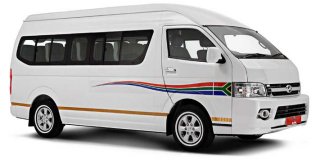
The representative models in the database - Sasuka - show how BAW behaves when it reaches the road. The body style spread, led by minibus models, says just as much about BAW's role. The limited spread keeps the focus tight, which often makes the brand easier to understand quickly.
What keeps BAW distinctive is not just the brand image. It is the way the vehicles, the body style bias and the broader public reputation all pull in roughly the same direction. Simple commercial products do not have to be glamorous to be relevant, and BAW is a good example of that.
In the utility world, the conversation quickly turns to payload, load space, durability and the ability to put in honest work day after day. Buyers who stay with BAW are often buyers who need affordable people moving or light business transport, because the vehicles speak to a recognisable set of priorities.
A compact catalogue also changes the way readers interpret the brand. Instead of trying to cover every possible need, BAW comes across as a brand with a sharper brief and fewer distractions around it. That often makes the overall identity easier to trust, even if the range itself is not expansive.