BYD South Africa
Full specifications for every BYD model. Compare prices, engine specs, fuel consumption and features.
18
Specifications
9
Models
18
Variants
R341 900
From (R)
Full specifications for every BYD model. Compare prices, engine specs, fuel consumption and features.
BYD does not need inflated language to make sense. The line-up itself tells a fairly clear story about where BYD sits and what kind of driver it is likely to attract.
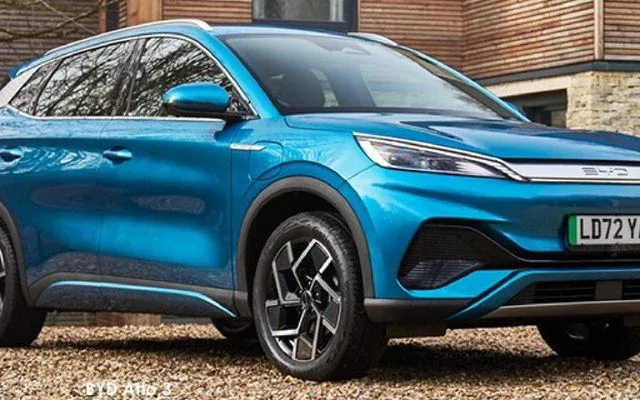
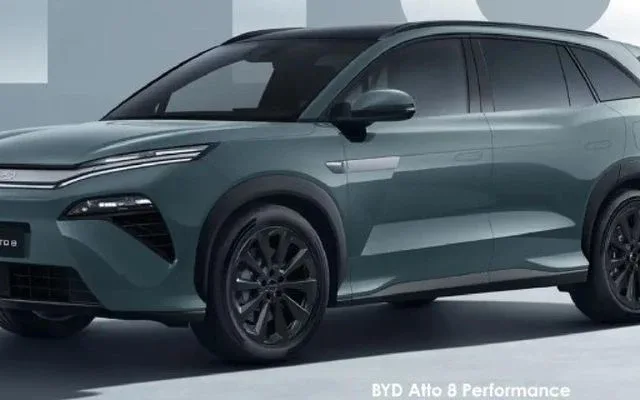
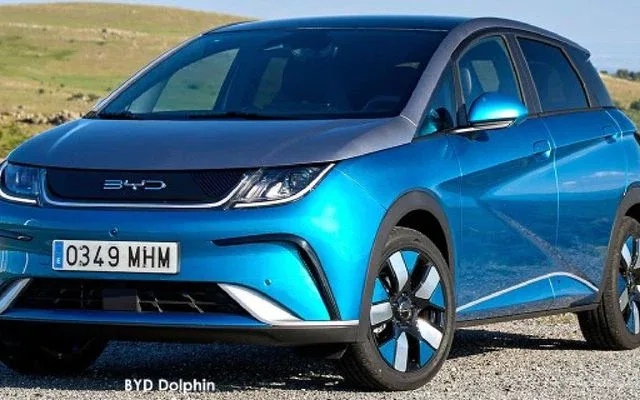
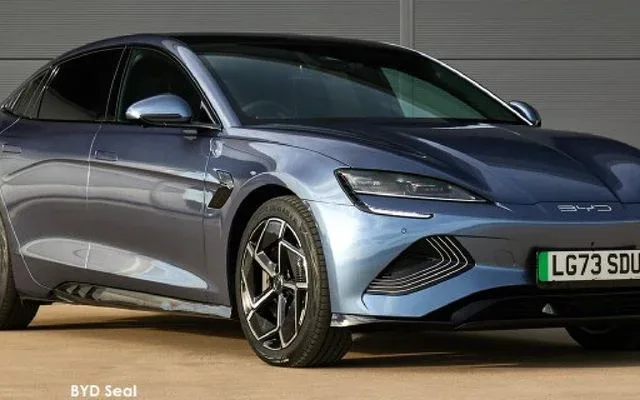
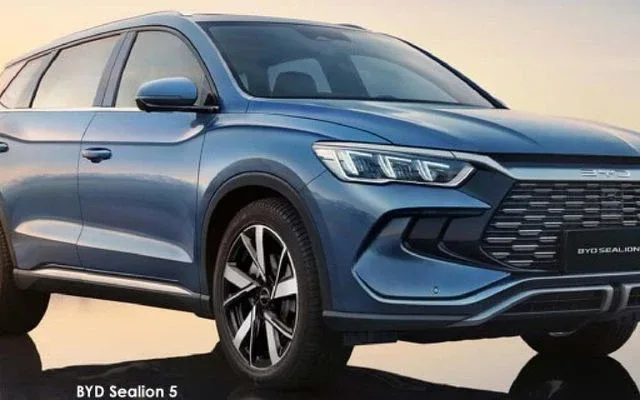
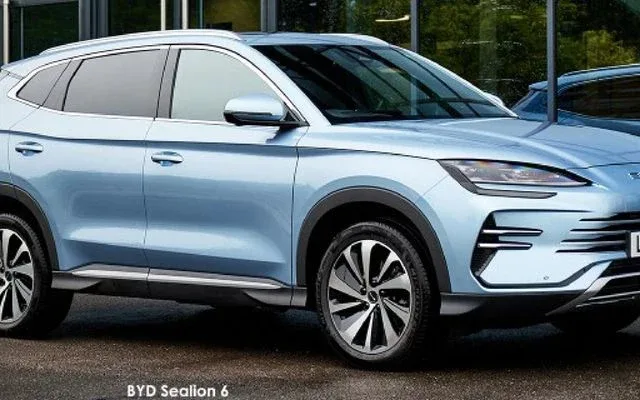
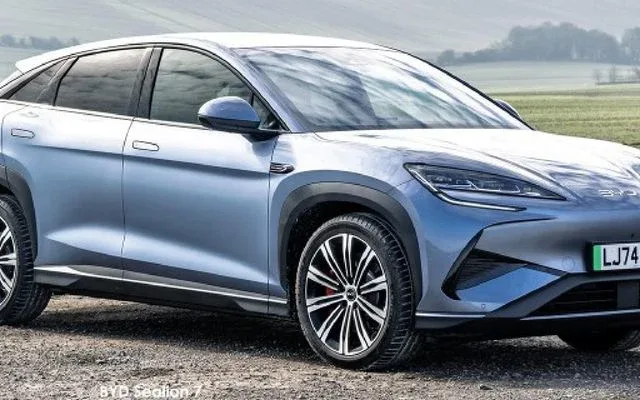
A quick look at the range backs that up. Vehicles like Sealion 6, Atto 3, Atto 8, and Dolphin do more than fill out the catalogue; they define BYD's personality in usable terms. The emphasis on suv, bakkie, hatchback, and sedan keeps that personality recognisable from one model to the next. That scale works in BYD's favour because the range stays readable without becoming thin.
Electric and electrified makes are judged a little differently, with software feel, energy use and packaging all playing a bigger role in the overall impression. That is why BYD tends to appeal most to buyers who want modern drivetrains, useful tech and a newer take on family transport.
The payoff for buyers is clarity. The vehicles do not pretend to be something completely different from what BYD already implies. BYD feels most convincing when it presents electrification as normal, usable motoring rather than a novelty act.
For a brand page, that is exactly what you want to see: a brand with a visible point of view.
For editorial purposes, that concentration is not a weakness. It gives BYD a cleaner profile and makes the link between brand image and actual product easier to follow through the range.