Part of the Specs-SA Network Boats · All Vehicles

BMW 7 Series vs Mercedes-AMG E-Class

740d Xdrive M Sport (g70) - AMG E53 4m+(hybrid)

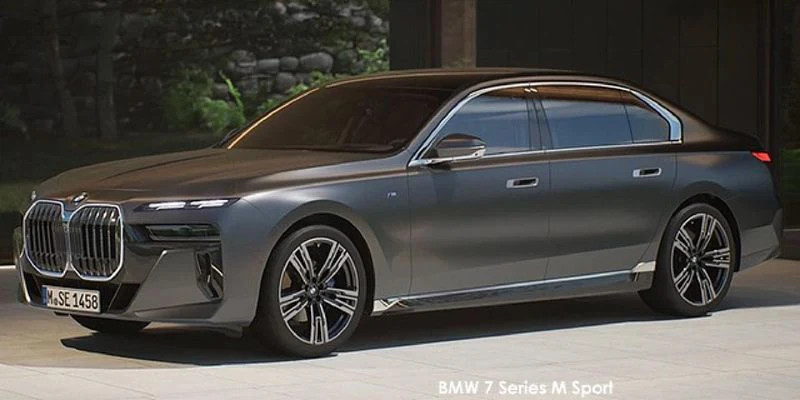
BMW 7 Series
BMW 7 Series
740d Xdrive M Sport (g70)
From R2 497 607
★ Our Pick
View Full Specs →
VS
Mercedes-AMG E-Class
AMG E53 4m+(hybrid)
From R2 518 425
View Full Specs →
At a Glance
Power
210 kW
430 (opt 450) kW
Torque
650 Nm
750 Nm
Fuel
6.9 l/100km
9.2 when hybrid battery discharged / 25.
Towing
2100 Kg
2100 Kg
0-100 km/h
6.3 s
4.0 (opt 3.8) s
Engine
2993 cc
2999 cc

Choosing between the BMW 7 Series and the Mercedes-AMG E-Class is one of the most common decisions South African car buyers face. The BMW 7 Series delivers 210 kW while the Mercedes-AMG E-Class produces 430 (opt 450) kW. On fuel, the 7 Series returns 6.9 l/100km while the E-Class uses 9.2 when hybrid battery discharged / 25.9 kWh/100km + 1.0 l/100km combined l/100km — important in a market where fuel prices change monthly. Pricing starts at R2 497 607 for the 7 Series and R2 518 425 for the E-Class. Both vehicles have their merits. The right choice depends on your priorities: fuel economy, performance, towing ability, safety features or total cost of ownership. This comparison covers every specification available so you can make an informed decision.

Specification
BMW 7 SeriesFrom R2 497 607
Mercedes-AMG E-ClassFrom R2 518 425
Performance
Power Output
210 kW
430 (opt 450) kW
Torque
650 Nm
750 Nm
0-100 kph
6.3 s
4.0 (opt 3.8) s
Top Speed
250 Km/h
140 Km/h
Engine & Drivetrain
Engine Capacity
2993 cc
2999 cc
Engine Layout
inline
inline
Cylinders
6
6
Fuel Type
diesel
petrol-electric hybrid
Forced Induction Device
turbocharger
turbocharger
Transmission
automatic
automatic
Number of Gears
8
9
Drive Wheels
all
all
Full Time 4x4
✓ Standard
✓ Standard
Fuel Economy
Fuel Consumption Average
6.9 l/100km
9.2 when hybrid battery discharged / 25.
Fuel Tank Capacity
74 l
60 litre + 21.2 kWh l
CO2 Emissions
182 g/km
182 when hybrid battery charged / 23 com
Dimensions
Length
5391 mm
4965 mm
Width
1950-2192 mm
1902-2065 mm
Height
1544 mm
1472 mm
Wheelbase
3215 mm
2971 mm
Kerb Weight
2180 DIN / 2255 EU Kg
2315 DIN / 2390 EU Kg
Doors
4
4
Seats
5 (opt 4)
5
Load Volume
540 l
370 l
Towing & Payload
Towing Capacity
2100 Kg
2100 Kg
Load Capacity
800 l
530 l
Safety
ABS
✓ Standard
✓ Standard
EBD
✓ Standard
✓ Standard
Brake Assist
✓ Standard
✓ Standard
Stability Control
✓ Standard
✓ Standard
Traction Control
✓ Standard
✓ Standard
Airbag Count
6
8 (opt 10)
Driver Airbag
✓ Standard
✓ Standard
Passenger Airbag
✓ Standard
✓ Standard
Side Airbags Front
✓ Standard
✓ Standard
Curtain Airbags
✓ Standard
✓ Standard
Features & Tech
Air Conditioning
✓ Standard
✓ Standard
Climate Control
✓ Standard
✓ Standard
Cruise Control
✓ Standard
✓ Standard
Adaptive Cruise Control
✓ Standard
✓ Standard
Bluetooth
✓ Standard
✓ Standard
Satellite Navigation
✓ Standard
✓ Standard
Reversing Camera
✓ Standard
✓ Standard
Park Distance Rear
✓ Standard
✓ Standard
Park Distance Front
✓ Standard
✓ Standard
Sunroof
✓ Standard
Optional
Heated Seats
✓ Standard
✓ Standard
Keyless Entry
✓ Standard
✓ Standard
Tow Bar
Optional
Optional
Alloy Wheels
✓ Standard
✓ Standard
Warranty & Service
Warranty Period
2
2 vehicle / 8 battery
Warranty Distance
unlimited Km
unlimited vehicle / 160000 battery Km
Service Intervals
service interval indicator

Which Wins?

Overall Winner
BMW 7 Series
3 / 4 categories
Performance
E-Class
Fuel Economy
7 Series
Value
7 Series
Practicality
7 Series
BMW 7 Series
+Better fuel economy (6.9 l/100km)
+Lower starting price (R2 497 607)
-Less power than rival (210 kW vs 430 (opt 450) kW)
Mercedes-AMG E-Class
+More powerful engine (430 (opt 450) kW)
-Higher fuel consumption (9.2 when hybrid battery discharged / 25.9 kWh/100km + 1.0 l/100km combined l/100km)
-Higher starting price
Frequently Asked Questions
Which is more fuel efficient, the 7 Series or E-Class?
The 7 Series uses 6.9 l/100km and the E-Class uses 9.2 when hybrid battery discharged / 25.9 kWh/100km + 1.0 l/100km combined l/100km on the combined cycle. The 7 Series is the more fuel-efficient choice. In South African conditions with a mix of highway and urban driving, real-world figures will be slightly higher.
Which has more power, the 7 Series or E-Class?
The 7 Series produces 210 kW and 650 Nm of torque while the E-Class delivers 430 (opt 450) kW and 750 Nm of torque. The E-Class is the more powerful option.
What is the price difference between the 7 Series and E-Class?
The 7 Series starts from R2 497 607 and the E-Class from R2 518 425. The 7 Series is cheaper by R20 818 at this variant level. Final on-the-road pricing varies by dealer and specification.
Which has a higher towing capacity, the 7 Series or E-Class?
The 7 Series has a braked towing capacity of 2100 Kg and the E-Class can tow 2100 Kg. Always verify towing limits in the owner's manual before hitching a trailer.
Should I buy the 7 Series or the E-Class?
It depends on your priorities. If fuel economy matters most, check the L/100km figures above. If you need towing capacity, compare the towing ratings. For day-to-day South African driving - load shedding runs, potholed roads, school runs and highway commutes - consider ground clearance, service network coverage, and total cost of ownership including insurance and maintenance. Use the spec tables above to compare every detail before making your decision.

BMW 7 Series Variants

All 7 Series Specs →

Try Another Comparison

▶ Start a New Comparison
Ad
320×50 Anchor