Tata South Africa
Full specifications for every Tata model. Compare prices, engine specs, fuel consumption and features.
72
Specifications
12
Models
72
Variants
R70 495
From (R)
Full specifications for every Tata model. Compare prices, engine specs, fuel consumption and features.
The quickest way to understand Tata is to start with what it is trying to be in the market. Tata sits in the value and utility end of the market, where the main question is usually what the vehicle can do for the money.
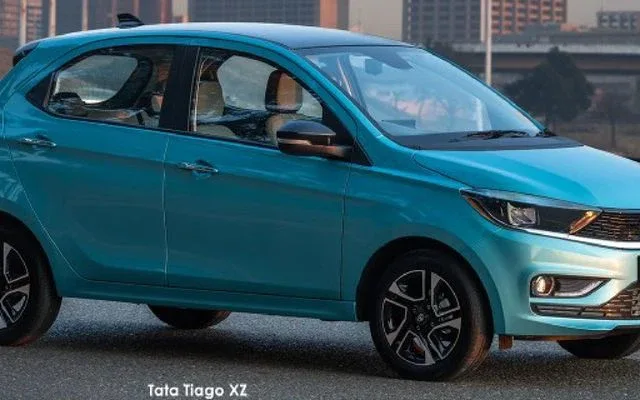
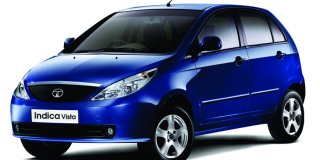
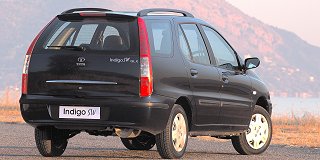
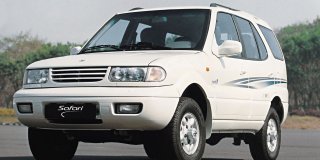
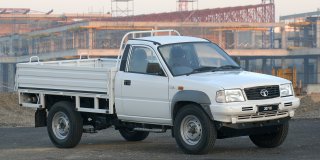
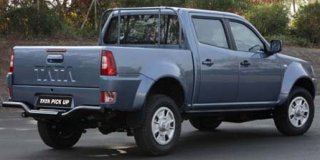
The representative models in the database - Indica, Telcoline, Xenon, and Indigo - show how Tata behaves when it reaches the road. The body style spread, led by suv, bakkie, hatchback, and minibus, says just as much about Tata's role. The range is not huge, yet there is enough variety to keep the brand from feeling one note.
What keeps Tata distinctive is not just the brand image. It is the way the vehicles, the body style bias and the broader public reputation all pull in roughly the same direction. Tata makes the most sense when judged by usefulness, versatility and honest intent.
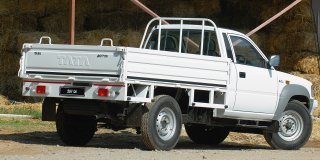
In the utility world, the conversation quickly turns to payload, load space, durability and the ability to put in honest work day after day. Buyers who stay with Tata are often buyers who want workhorse ability or simple transport without unnecessary frills, because the vehicles speak to a recognisable set of priorities.
The result is a brand that remains easy to recognise once you look past the logo and into the actual vehicles.